Help us create an amazing carbon neutral plastic recycling community in Plymouth!
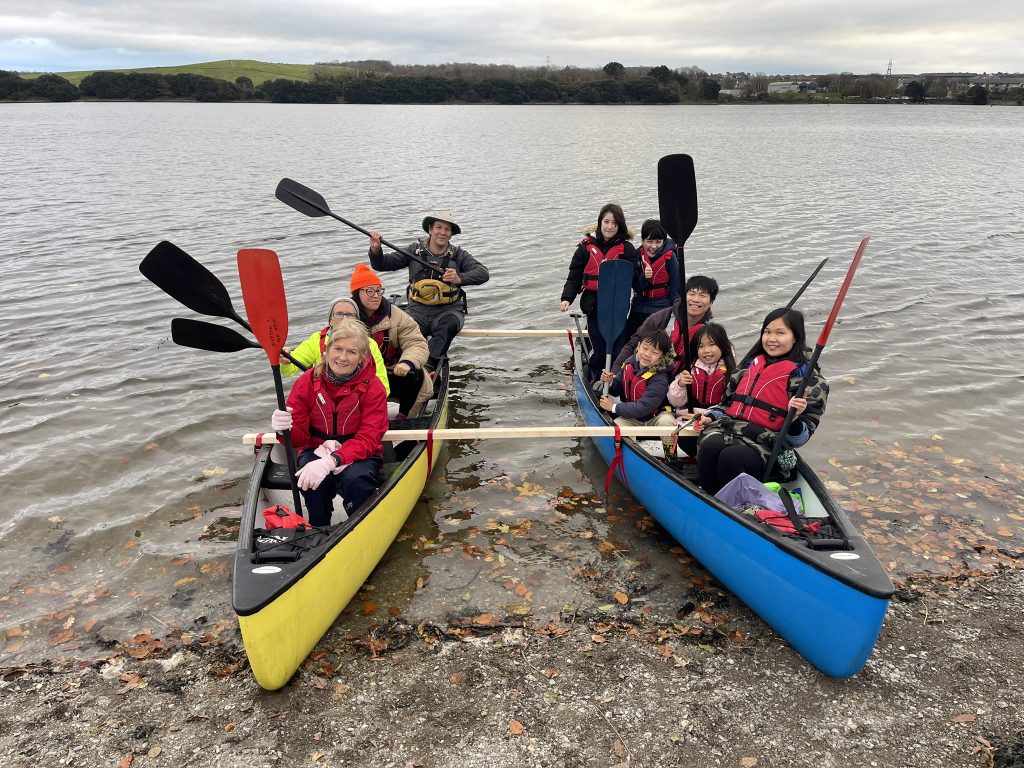
Thanks to the support of Action Funder and South West Water, Ethical Activities CIC and Precious Plastic Plymouth & Tavistock CIC have collaborated on an exciting two-part pilot project combining environmental action, adventure, community learning, and hands-on recycling.
Canoe Litter Pick – A New Perspective on a Familiar River
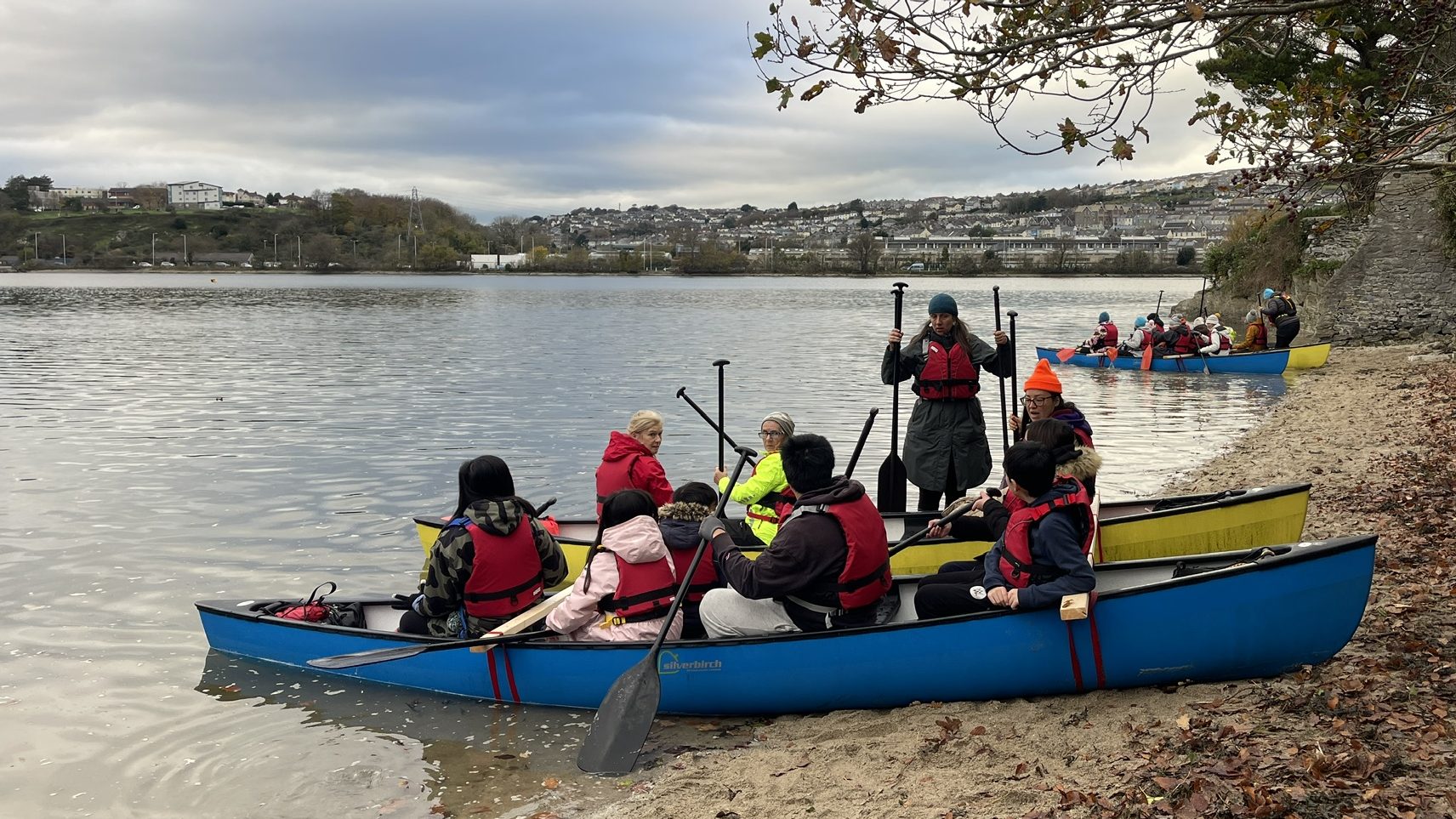
Our first pilot activity was a guided canoe litter pick along the Plym estuary, bringing together 24 enthusiastic participants of all ages. Led by Stu Watson (Ethical Activities CIC) and Laura Wynne (outdoor pursuits instructor), the day welcomed a diverse mix of families, volunteers, university students, and local community groups. Despite the cold and grey weather, the experience was invigorating and enjoyable for everyone involved.
Being out on open canoes gave participants a completely new perspective of the river. Many were familiar with the area, but being at water level created a deeper connection to the environment. There was a shared sense of excitement, teamwork, and calm as we paddled together and paused midstream to take in the surroundings
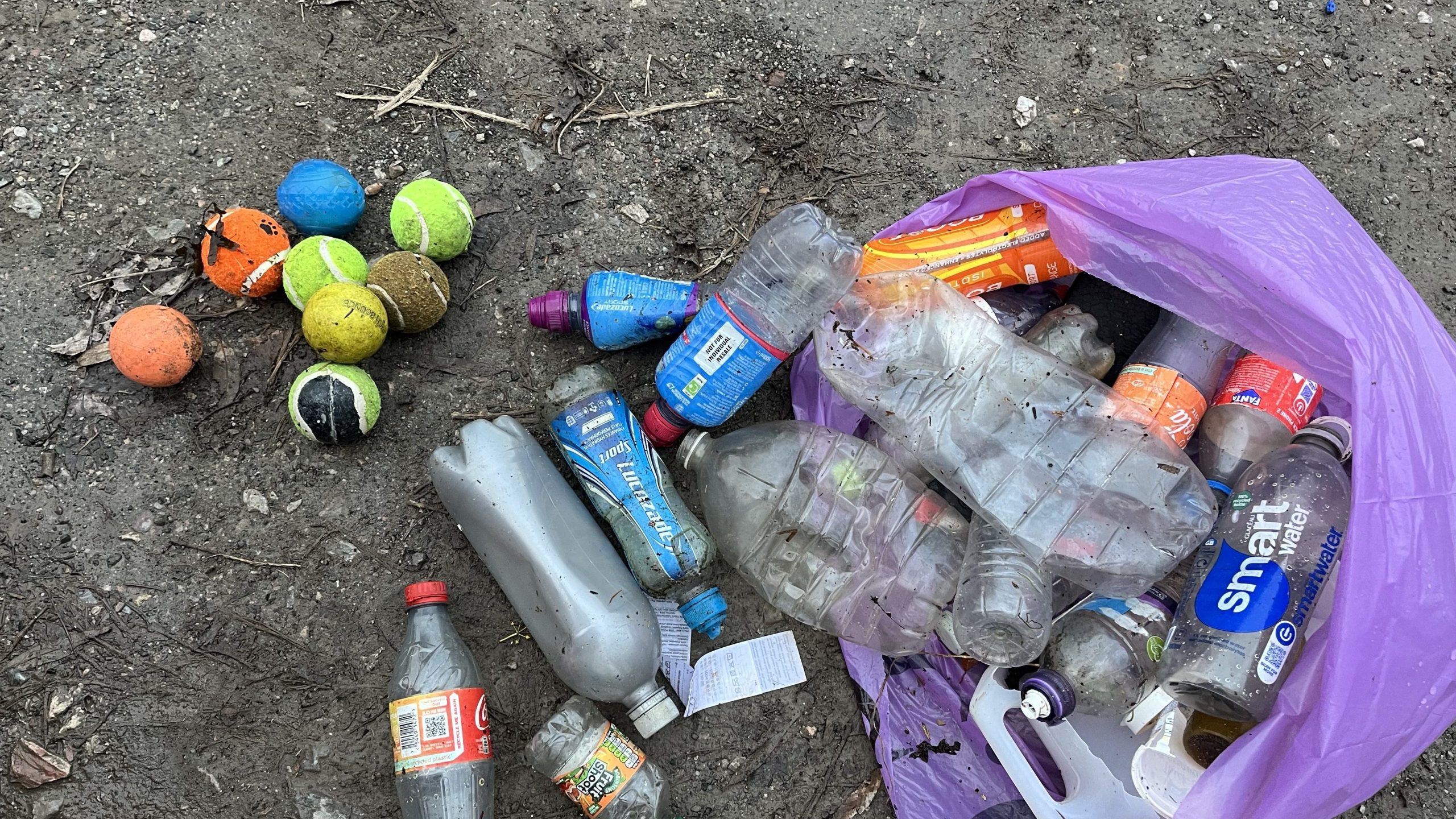
What we collected
- 3 large sacks of litter
- 22 plastic bottles
This hands-on experience also helped us understand how litter moves and accumulates in the estuary.
We observed how currents and river bends influence where waste gathers, particularly along slower-moving sections of the river. For many participants, especially younger ones, this became a real-life learning experience. Concepts like river meanders and currents came to life in a way that classroom learning cannot replicate.
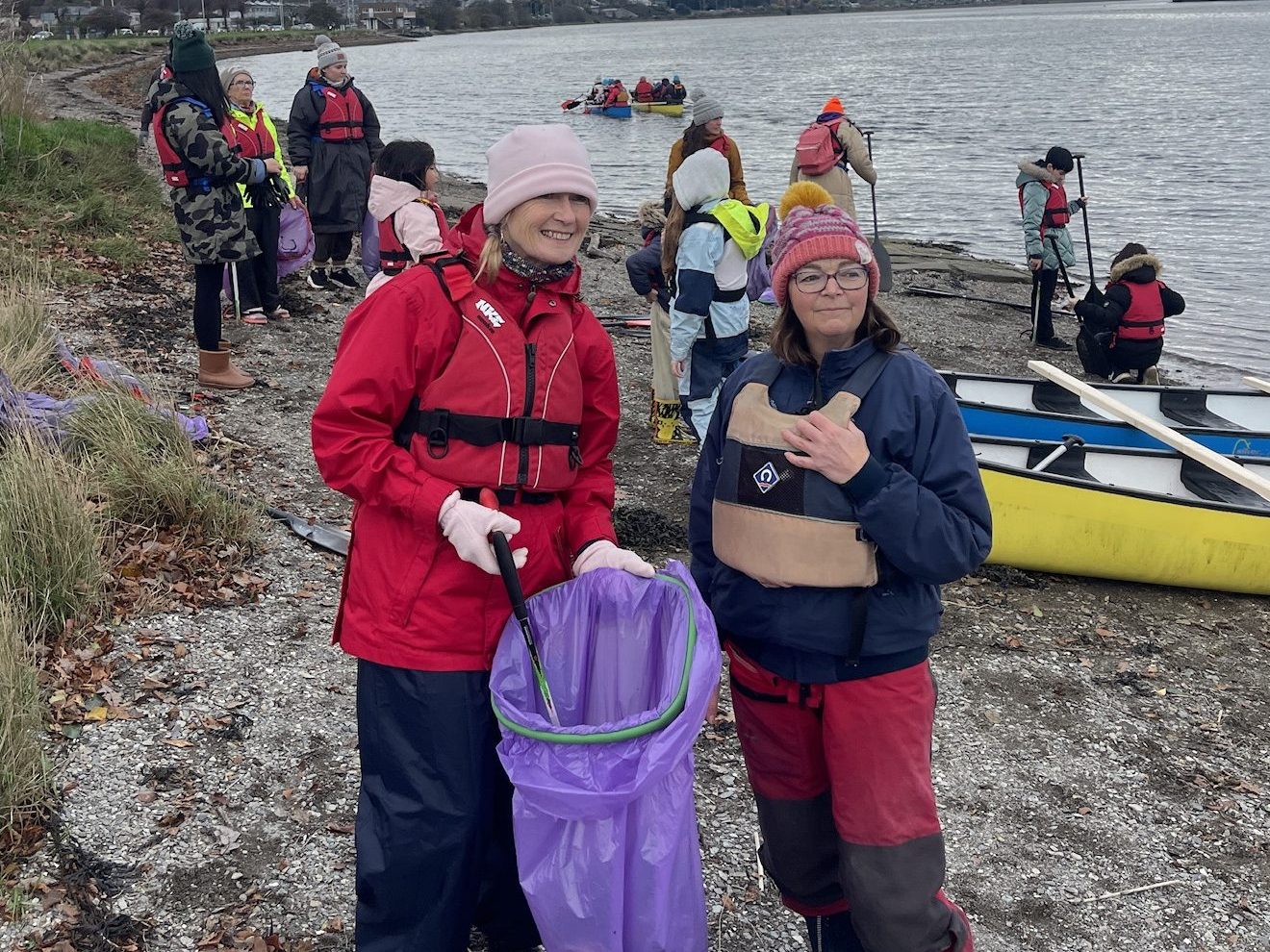
As Britain’s Ocean City, Plymouth faces ongoing challenges in managing waste. This activity not only removed harmful litter but also brought together a group of enthusiastic volunteers keen to continue making a difference.
♻️ Recycling Day – Turning Waste into Something New
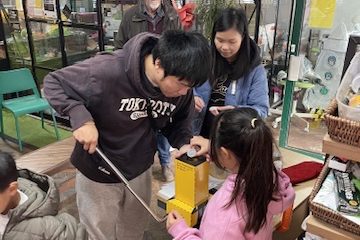
The following weekend, we hosted a hands-on recycling session at The Plot, transforming suitable plastics collected from the estuary into new products.
Led by Dr Kate Crawfurd (marine biologist) and Mr Phil Memmott (engineer), the process began with sorting materials collected during the canoe trip.
What happened to the waste?
- Non-recyclable waste was safely disposed of
- Plastic bottles (PET) were cleaned and recycled locally
- Bottle lids and suitable plastics (HDPE, PP) were kept for processing
Participants learned how to identify plastics using recycling symbols and an infrared analyser from the University of Plymouth.
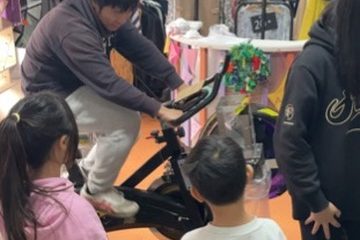
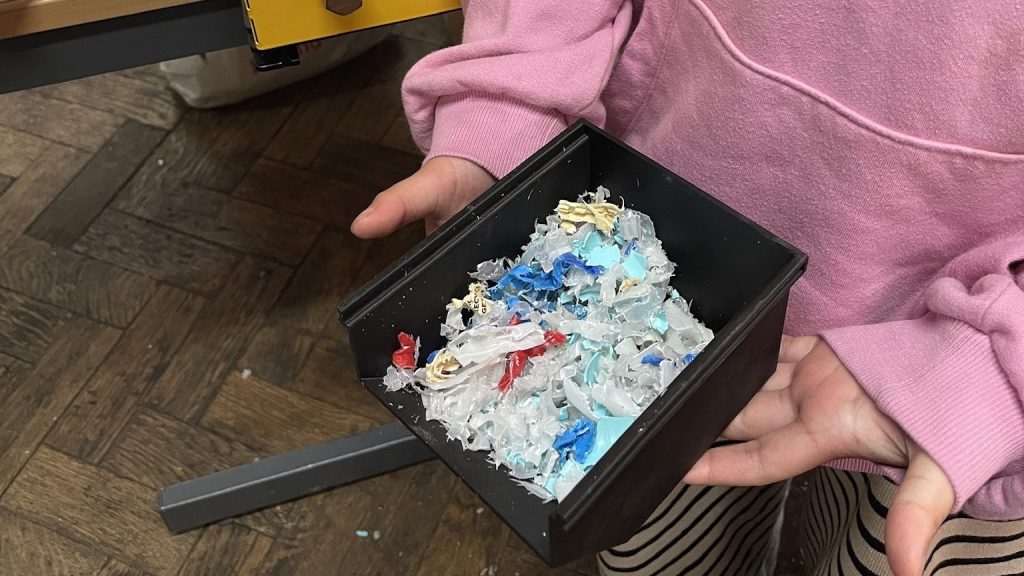
Using our exercise-bike shredder and new hand-cranked shredder (funded by South West Water), participants shredded plastic ready for reuse.
This new equipment made the process more accessible, allowing younger children to take part safely and confidently.
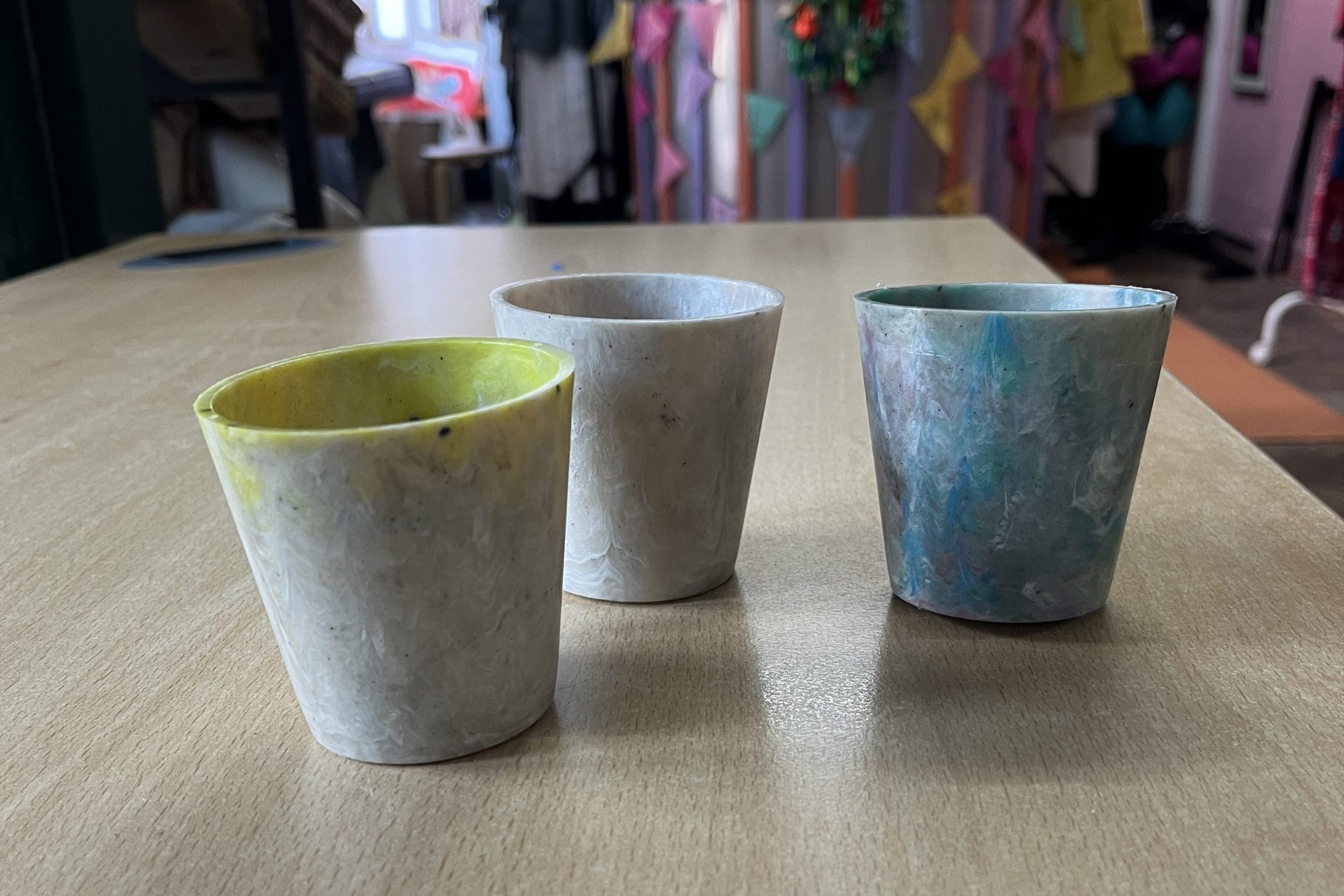
The shredded plastic was melted and injected into moulds, producing six recycled plant pots, each taken home as a meaningful reminder of what waste can become.
Looking Ahead
This pilot project has been a valuable learning experience, helping us better understand both environmental patterns and how to engage the community in meaningful action.
We’re excited about the potential to grow this initiative further, developing regular litter picks, expanding recycling activities, and exploring opportunities for citizen science along the Plym estuary.
Thank You
We are very grateful to South West Water and Action Funder for making this project possible and supporting our mission to inspire sustainable change through creativity and community action.

